
Bench top with carved inscription, the legs will have flags. The inscription reads "Memento Mori Ricardo Crisp". Richard mede the bench a few years before he died.
POA.

Table top based on an extant tabletop found in room V, period III at Vindolanda. Pine and clenched nails.
Trestles in pine from a 2nd century tomb carving showing a shop from Cornell & Matthews (1991).
References: Birley, R. (1994). Vindolanda Research Reports, New Series – Volume 1, The Early Wooden Forts. United Kingdom, Northumberland; Roman Army Museum Publications.
Cornell, T.; Matthews, J. (1991) Cultural Atlas of the Roman World. United States, Virginia, Alexandria: Stonehenge Press.

A generic tripod trestle that easily disassembles for transport.Covers most of the ancient to medieval period. Stands 860mm high and 540 wide when assembled, footprint 420mm x 500mm.
Pine A$200. Other timbers available, height and/or width can be matched to fit your requirement. Machine sewn canvas bag A$50.

My first attempt at a Mary Rose style lantern from a really poor photograph. Rawhide because I couldn't get horn at the time. I'll have another go sometime now I have better data.
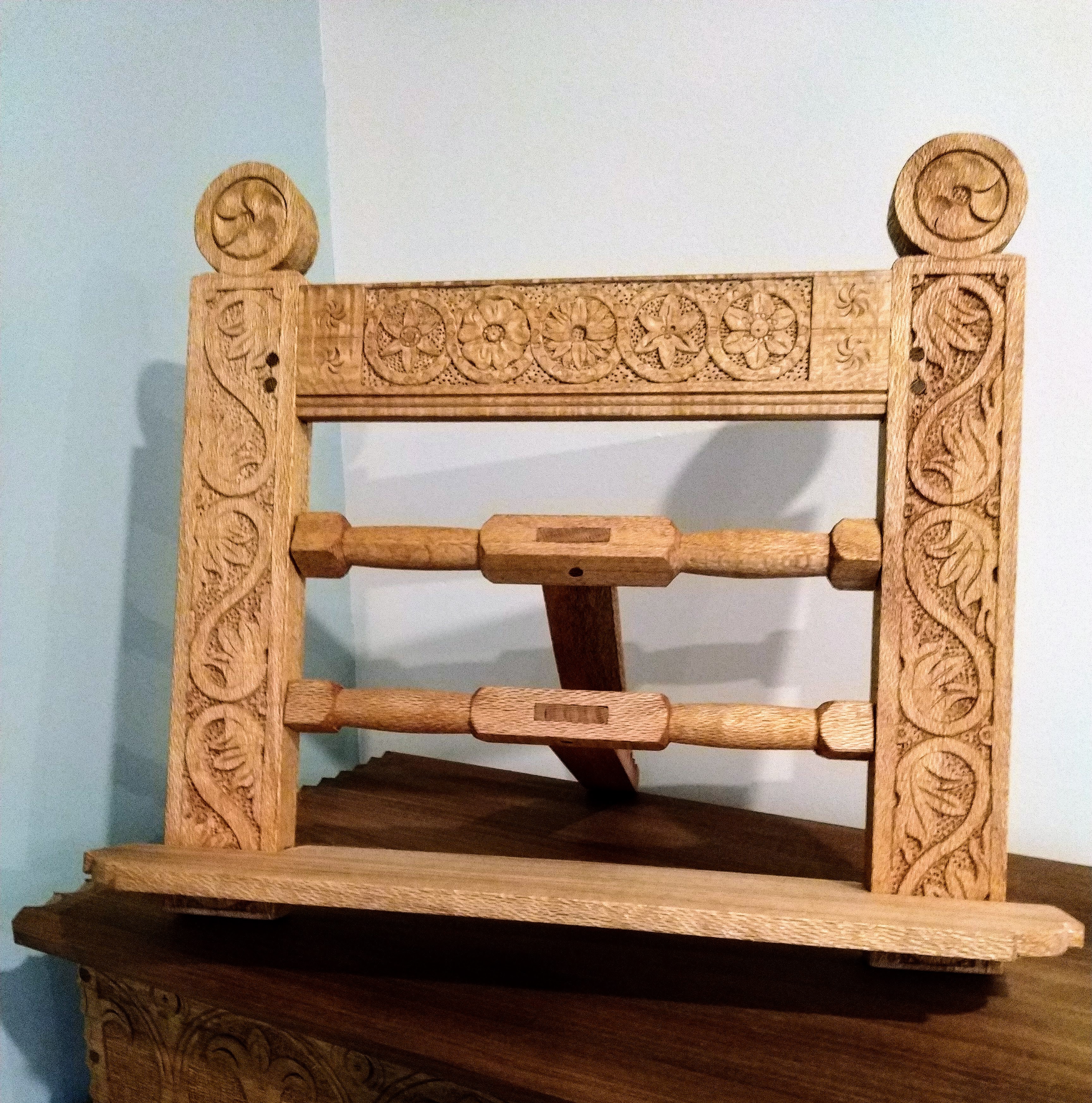
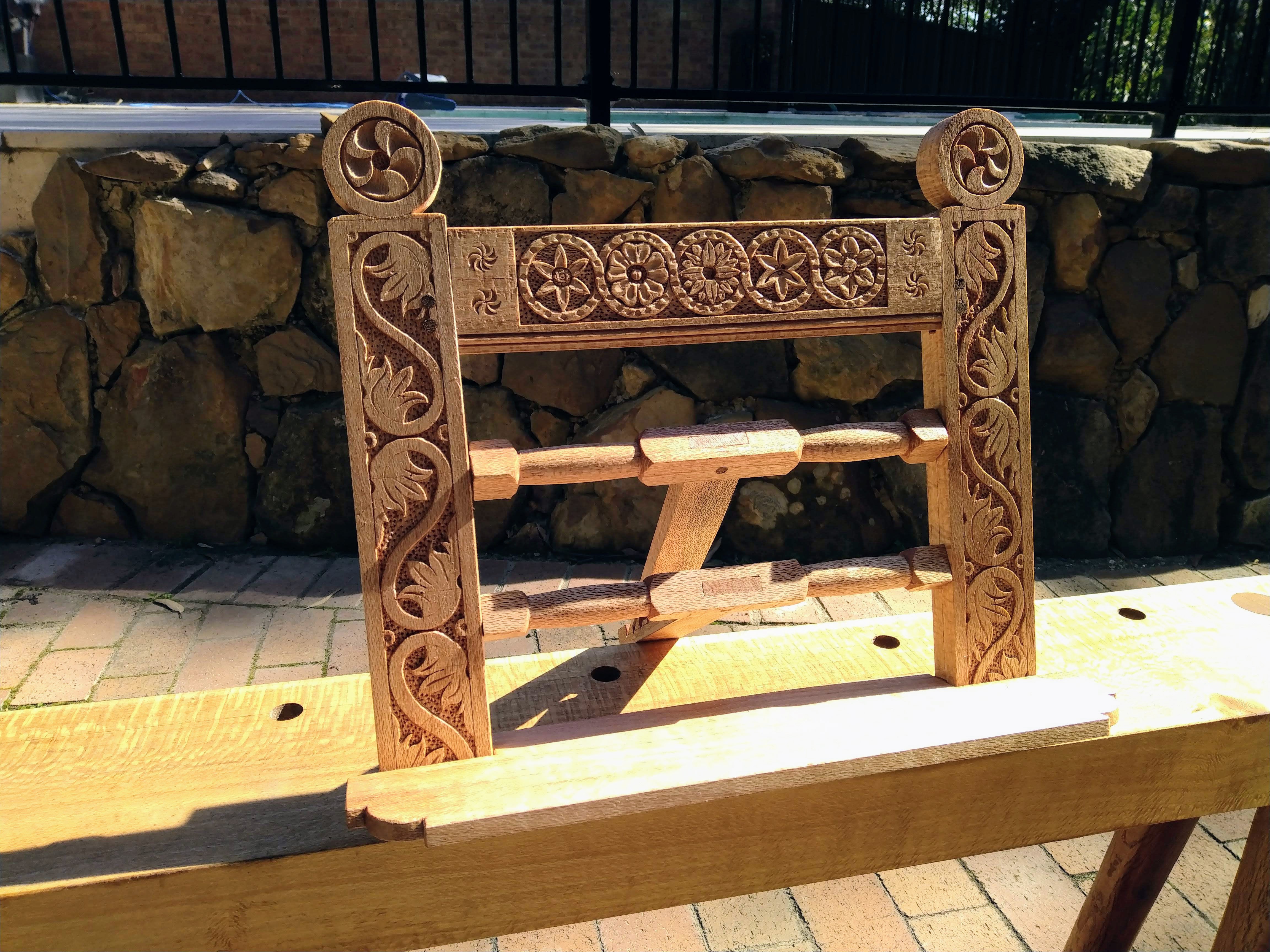
folding bookstand there are only a couple known of this shape but that it’s a really good project for using up scraps from other projects that are too small to otherwise use but too good to throw out. the styles feature a Guilford/New Haven S-scroll, all the flowers apart from the central white marigold are from the bible, tying it to the planned use and the sort of mad symbolism so loved in the Stuart and Commonwealth period. A couple of the flowers come from historic examples, the others are my own plausible designs based on the 17th century tools and techniques.
Oak or ash, prices start from A$400 for simple carving, A$600 as pictured.
References: Follansbee, P. (2019). Joiner's Work. United States, Kentucky: Lost Art Press LLC.
Robinson, W. (2020, July 27). Carved bookstand. The Reverend's Musings. leatherworkingreverendsmusings.wordpress.com/2020/07/27/carved-bookstand/
.jpg)
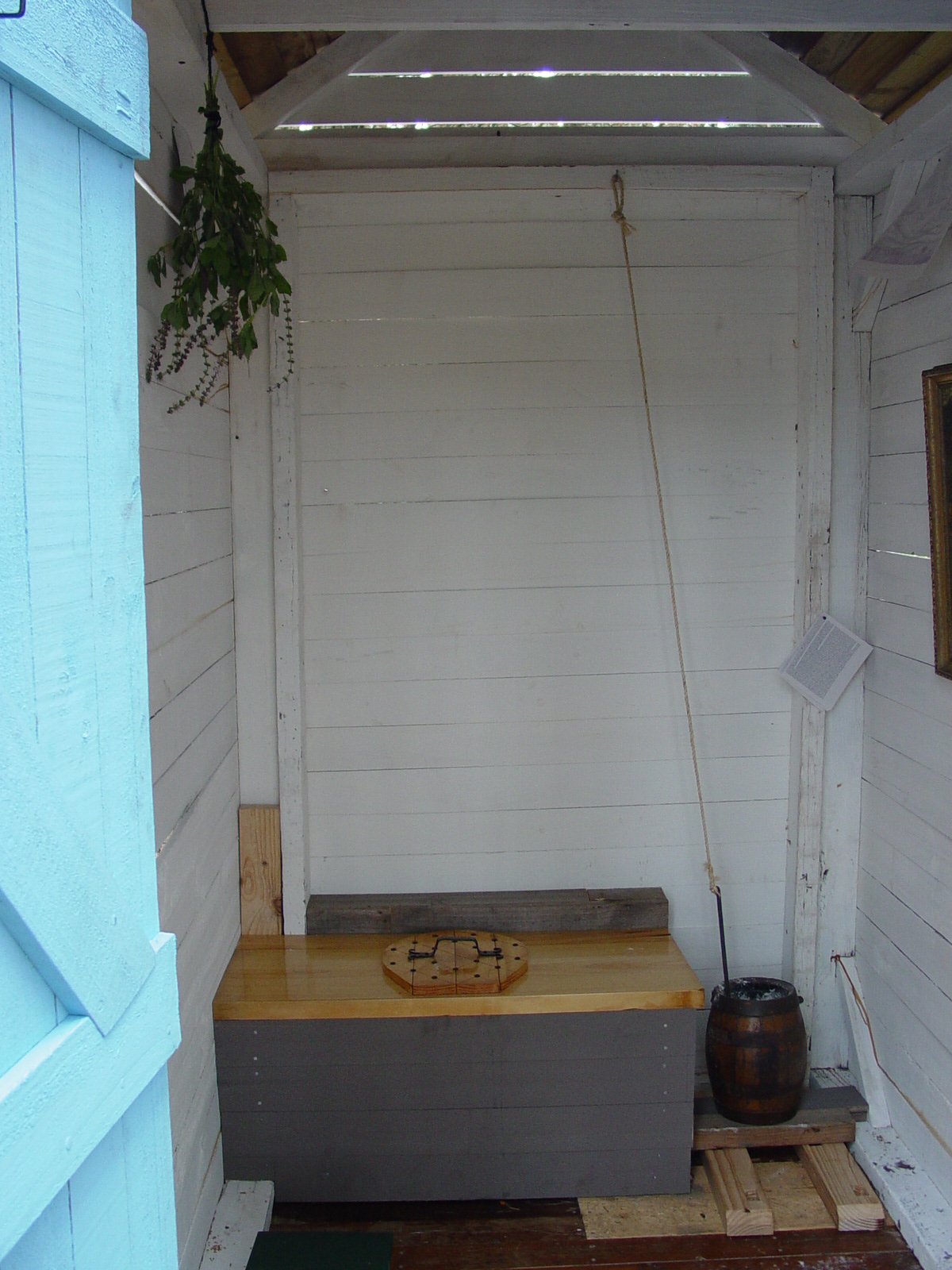
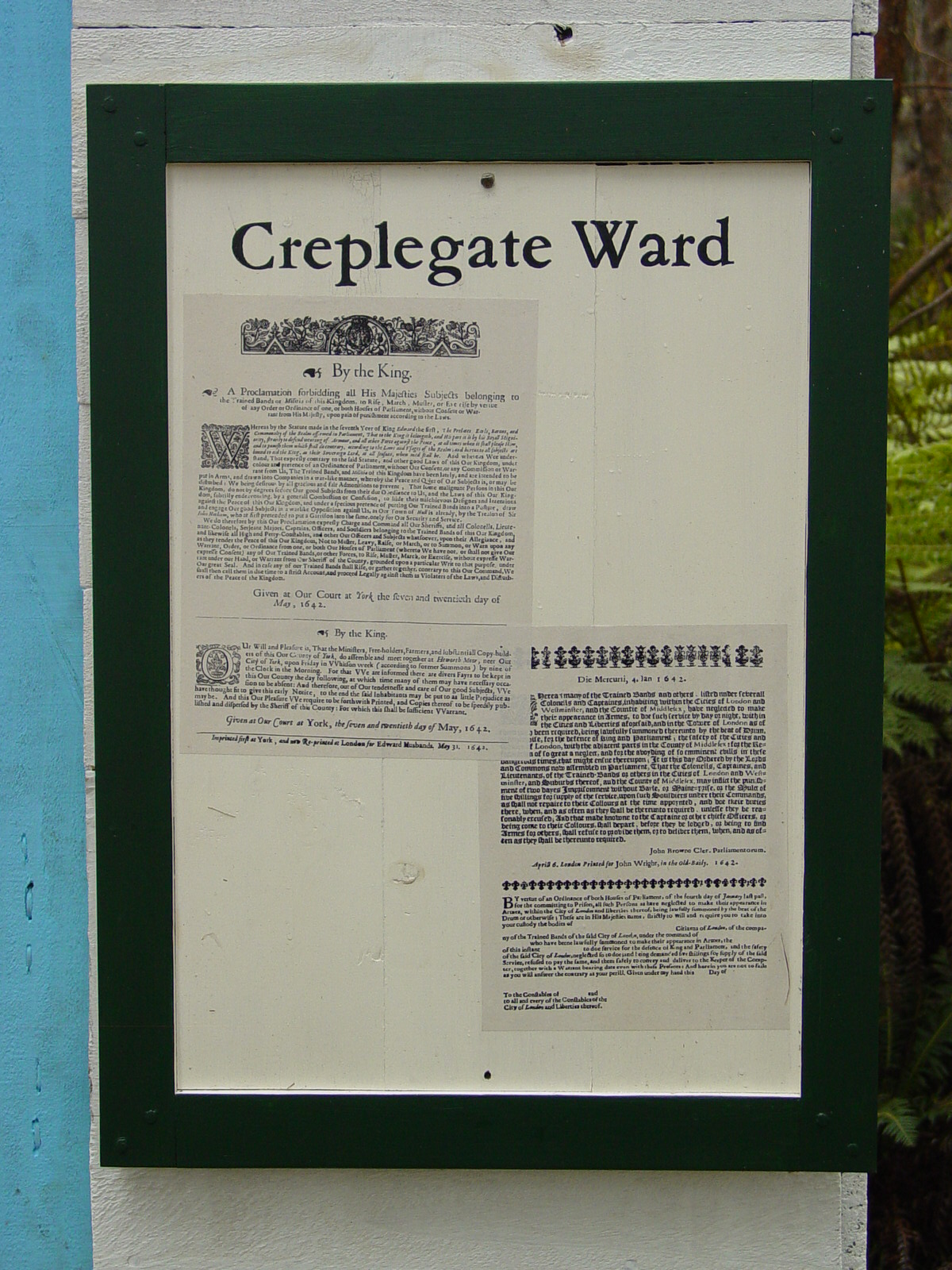
This was a group project. We needed a toilet for the camping area at the 2007 conference. This was built from the remains of the frame of our back deck.
Design considerations were that the loo had to be taken to the site in flatpack form and erected (fnarr!) once the hole had been dug. It had to be movable, to slide to a new hole when this one was full; with enough room for a lady in a 17th century skirt to be able to go in and turn around, and; as Routiers aren’t the lightest creatures on God’s earth, the seat had to be strong enough for Damien and me to jump up and down on it at the same time.
Inspiration was from woodcuts of windlass houses over mineshafts in Agricola’s De Re Metallica of 1556, Lady Arabella House in Salem, MA (1620s), Fairbanks House in Dedham, MA (1636), and Plymoth Plantation. The door and door furniture is based more or less entirely on the smaller door to the Riding Range at Bolsover Castle.
References: Robinson, W. (2007, August 14). An Inspired longdroppe. Australia, New South Wales: The Pike and Musket Society. download.
Egan, G. (2005). Material Culture in and Age of Transition – Tudor and Stuart finds c 1450-1700 from excavations at riverside sites in Southwark. MoLAS Monograph 19. United Kingdom, London: Museum of London.
Wood, M. (1985). The English Medieval House. United Kingdom, London: Bracken Books, London.
Worsley, L. (2000). Bolsover Castle. United Kingdom: English Heritage.
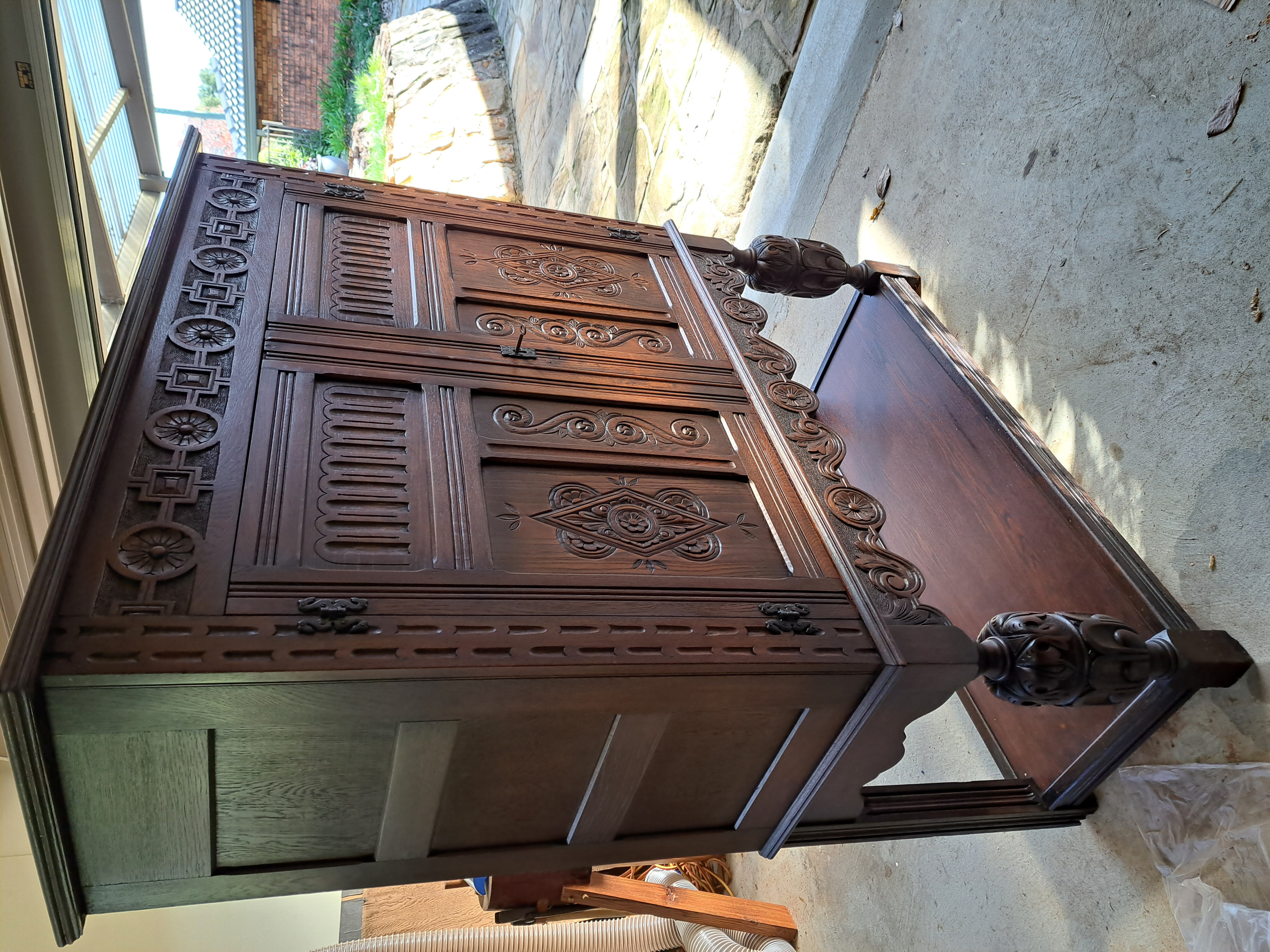
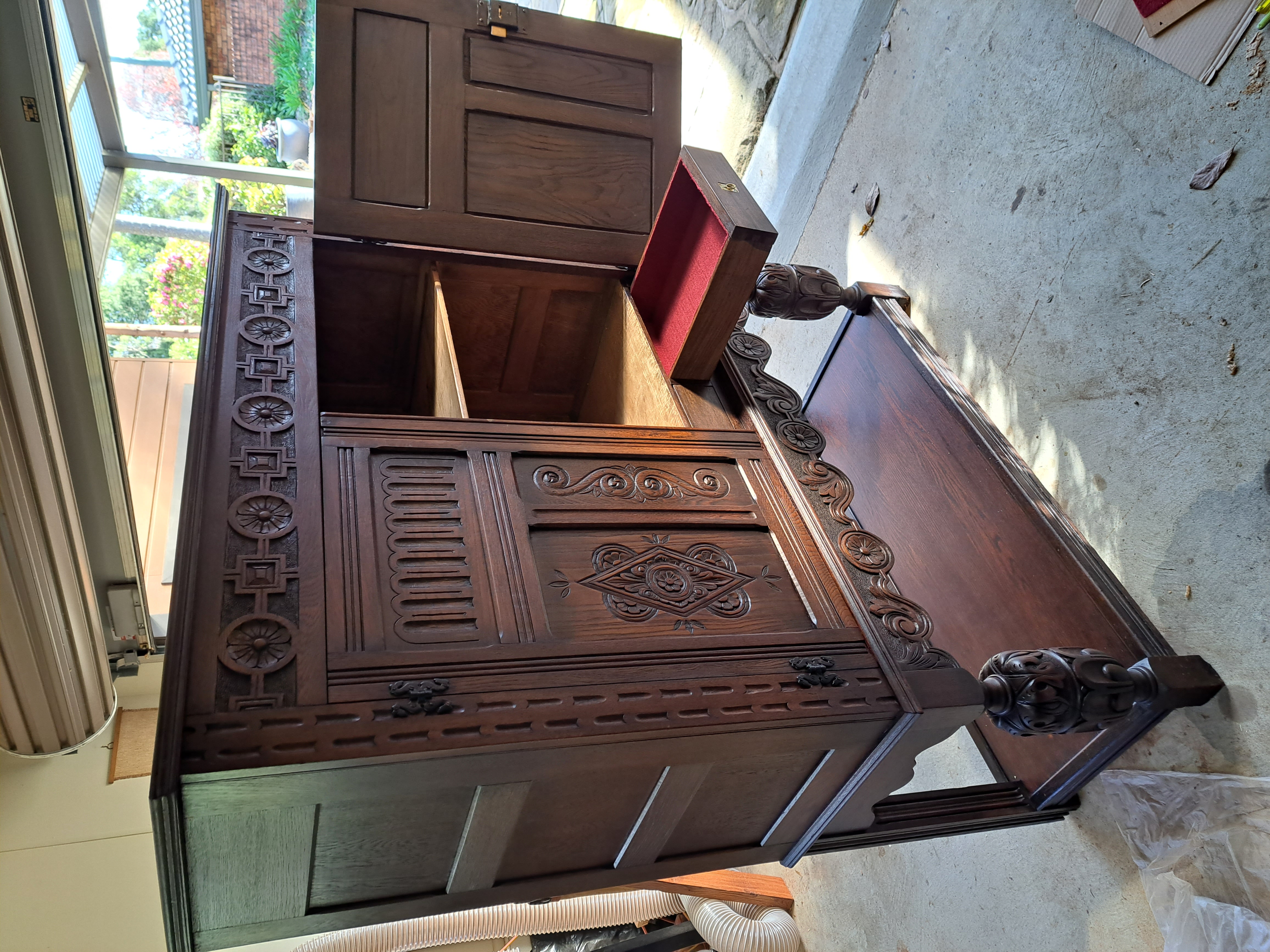
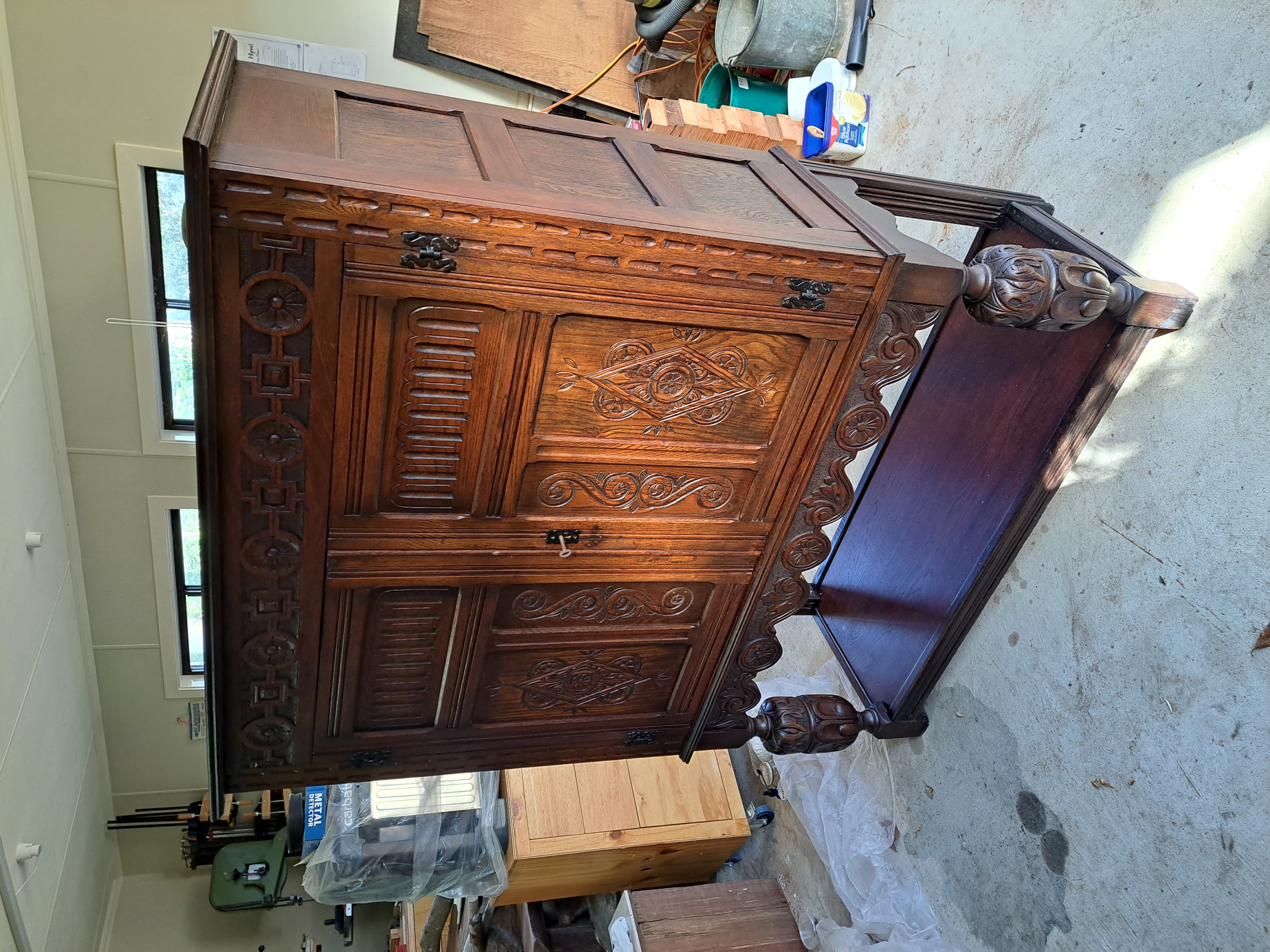
This one was a restoration rather than new build. C.1920s cabinet, made in England, exported to Australia after spending 1940-1970 in South Africa. When I bought it, it had been outside for a few years and was exhibiting water damage. Cleaned inside and out. Replaced failed ⅛" oak ply on top and ¼" shelf with 7mm red oak ply, and delaminating ⅛" oak ply on the side with 3mm red oak ply. Remade all joints using hide glue, replaced missing parts with oak, pine or walnut as appropriate. Black lead paint on metalwork removed and replaced with water-based metal paint following the original foundry's advice. Made new cornice to suit thicker top in mountain ash. Planed drawer sides to ease binding.
Renovated lock and replaced levers with new brass. Replaced missing drawer hardware pieces – the drawer pulls aren't original but are part of the history of the piece because they date from the last restoration in the 1970s.
Colour matched all new wood with van Dyke crystals, then another coat overall to freshen up the old colour. Filled nail holes with home made linseed oil putty coloured with burnt umber. Replaced drawer lining with wool/viscose baize and wheat starch paste. Sealed with shellac and polished with beeswax/turpentine/linseed polish.
This one's not for sale. If I could be convinced to do another, I'd be looking for at least A$1,000 (not including the purchase price), 3-6 months work time plus many weeks' lead time to clear the orderbook and workshop.